Introduction: Why Business French Matters Today
In an increasingly globalized economy, French remains one of the most influential languages in international trade. With several million speakers in Europe, Africa, North America, and the Caribbean, French is a tool for commerce, diplomacy, and corporate communication. For companies expanding into Francophone markets, mastering business French can open doors to partnerships, negotiations, and opportunities that are often inaccessible through English alone.
Using French for business signals respect, professionalism, and cultural awareness. In many Francophone countries, clients and stakeholders expect a certain linguistic effort from foreign partners. Even a few well-chosen phrases can change the tone of a meeting and build trust. Francophone professional culture values clarity, precision, and formality, expectations that extend to emails, presentations, and everyday professional interactions.
Understanding the language also helps professionals navigate cultural norms. In France, for example, meetings often follow a structured agenda, and interruptions are not very well perceived. Relationship-building, negotiation, politeness, credibility. Knowing how to express yourself properly in French allows you to adapt to these contexts while maintaining confidence and authority.
We explore essential business French phrases. At the end of this reading, you will have a practical toolkit to communicate more effectively and more confidently in French-speaking professional environments.
Business French: Quick Starter Phrases (At-a-Glance)
Here are a few essential expressions you will hear and use in professional settings.
They set the tone for respectful, clear, and confident communication:
- Bonjour, je vous remercie… — Hello, thank you for…
- Pourriez-vous préciser ce point? — Could you clarify this point?
- Veuillez trouver ci-joint… — Please find attached…
- Serait-il possible de convenir d’un rendez-vous? — Would it be possible to schedule a meeting?
- Nous restons à votre disposition. — We remain at your disposal.
These fundamental phrases immediately elevate your professional tone in French-speaking environments.
Core Business French Vocabulary & Expressions

Mastering a foundation of business French vocabulary is the first step toward communicating confidently in professional settings. These expressions appear regularly in meetings, emails, negotiations, and client conversations. Learning them not only helps you understand the flow of discussion but also signals professionalism and cultural awareness.
Common Business Terms
- Entreprise – company
- Réunion – meeting
- Projet – project
- Collaboration – collaboration
- Partenariat – partnership
- Responsable / Manager – manager
- Équipe – team
- Objectifs – goals
- Délais – deadlines
- Budget – budget
These words form the backbone of most business conversations and documents. They are often used in more formal structures, so pronunciation and clarity matter.
Useful Expressions for Meetings
- Pouvez-vous préciser ce point? – Could you clarify this point?
- Nous allons passer au point suivant. – Let’s move to the next item.
- Je prends note. – I’ll take note.
- Pour résumer… – To summarize…
- Nous devons respecter les délais. – We must respect the deadlines.
These phrases help you follow meeting etiquette and contribute in a way that aligns with French professional norms, which tend to favor structure and precision.
Polite Professional Phrases
Politeness is central in Francophone business communication. Even brief interactions often include formal markers.
- Je vous remercie pour votre disponibilité. – Thank you for your availability.
- Je reste à votre disposition. – I remain at your disposal.
- Serait-il possible de…? – Would it be possible to…?
- Veuillez trouver ci-joint… – Please find attached…
Using these expressions creates a courteous tone and helps prevent communication from sounding abrupt, something that French audiences may interpret negatively.
In French business contexts, the language leans toward formality, especially in initial interactions. Even when speaking English, many professionals expect you to use formal phrasing when switching into French.
Key Phrases for Negotiation & Professional Interaction

Negotiation is a cornerstone of international business, and French-speaking environments often approach it with a blend of formality, logic, and diplomacy. Whether you work with partners in France, Belgium, Canada, or Africa, mastering the right phrasing in business French helps you communicate confidence while respecting cultural expectations.
Negotiation Phrases
- Nous souhaitons trouver un terrain d’entente.
We wish to find common ground. - Notre proposition est la suivante…
Our proposal is as follows… - Nous devons revoir certains points.
We need to review some points. - Cela dépasse nos capacités actuelles.
This exceeds our current capabilities. - Nous sommes ouverts à la discussion.
We are open to discussion.
These help you articulate positions clearly without sounding overly assertive, a balance appreciated in many Francophone business cultures.
Phrases for Clarification & Structure
French business conversations often follow a logical structure, and clarification is both expected and encouraged.
- Si je comprends bien…
If I understand correctly… - Pour être plus précis…
To be more precise… - Pouvez-vous développer ce point?
Could you elaborate on this point? - Quel est votre point de vue?
What is your point of view?
These lines show engagement and intellectual rigor, traits valued in French professional settings.
Diplomatic Phrases for Disagreement
When disagreement arises, diplomacy matters. French business culture may accept debate, but it still values respect and nuance.
- Je ne suis pas entièrement d’accord.
I do not entirely agree. - Je vois les choses différemment.
I see things differently. - Nous devons revisiter cette approche.
We need to revisit this approach.
Such phrasing allows you to challenge ideas without challenging people, a subtle but important distinction.
In France, negotiations often involve detailed reasoning and justification. In many African Francophone countries, relationship-building and courtesy may carry equal weight to the content itself. Adapting your phrasing to these expectations strengthens trust and credibility.
Business French vs Everyday French – Key Differences
| Business French | Everyday French |
|---|---|
| More formal (use vous) | More relaxed (use tu with peers/friends) |
| Structured phrasing, clear logic | Spontaneous, conversational |
| Polite formulas expected (Madame, Monsieur…) | Greetings are shorter (Salut, Ça va ?) |
| Indirect, diplomatic disagreement | More direct disagreement |
| Email language is highly codified | Messages may be short and casual |
| Professional tone must be maintained | Tone adapts quickly depending on relationship |
Example:
- Business French: Pourriez-vous me préciser ce point?
- Everyday French: Tu peux m’expliquer?
Writing Professional Emails in Business French
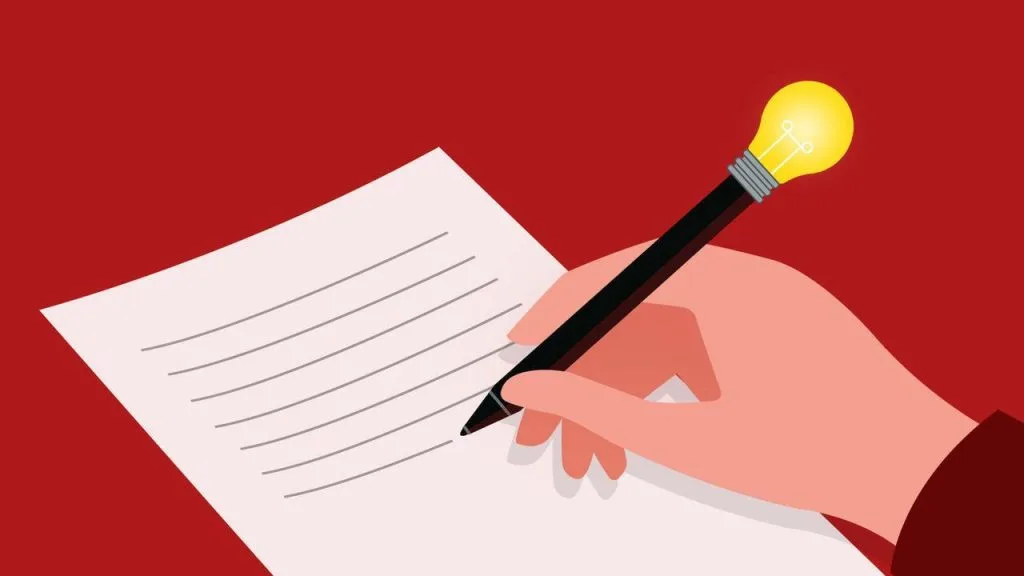
Email remains one of the most common channels of communication in international business, and mastering French for business email etiquette is essential for credibility and professionalism. French emails tend to be more formal than their English counterparts, especially when addressing new contacts or senior stakeholders.
1. Formal Openings
French emails usually start with a polite, formal greeting. Even if the tone is friendly, formality is expected.
- Madame, Monsieur,
(Dear Sir/Madam,) - Bonjour Madame Dupont,
(Hello Ms. Dupont,) - Bonjour Monsieur Martin,
(Hello Mr. Martin,)
Using a title + last name is standard in initial communication. First names are reserved for relationships that have already become informal.
2. Clear and Polite Introductions
French professional writing values clarity and courtesy.
- Je me permets de vous contacter concernant…
(I am reaching out regarding…) - Suite à notre conversation, je vous adresse…
(Following our conversation, I am sending you…) - Comme convenu, veuillez trouver ci-joint…
(As agreed, please find attached…)
These constructions provide context while maintaining a formal tone.
3. Body of the Email
Keep sentences precise and structured. Avoid overly casual phrasing.
- Nous souhaiterions discuter de…
- Nous restons disponibles pour toute information complémentaire.
- Merci de bien vouloir…
Short paragraphs help the reader scan the message, which aligns with professional expectations.
4. Formal Closings
French email closings are often longer and more courteous than English ones.
- Je vous prie d’agréer, Madame, Monsieur, l’expression de mes salutations distinguées.
(Please accept my distinguished salutations.) - Cordialement,
(Kind regards) – more common in slightly less formal contexts - Bien à vous,
(Yours sincerely) – neutral and professional
In many Francophone environments, politeness formulas are not optional, they are markers of professionalism. Emails lacking these structures may appear abrupt or insufficiently respectful.
Oral Communication Tips & Cultural Nuances
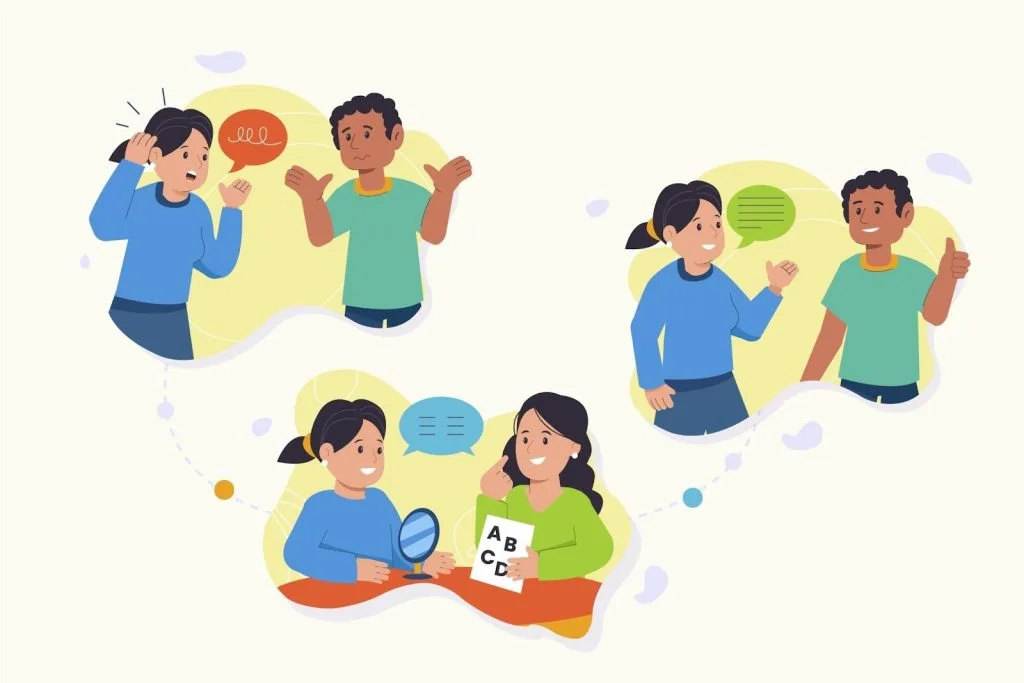
Speaking business French confidently requires more than vocabulary, it demands an understanding of communication style, rhythm, and cultural expectations. Oral communication in Francophone business environments tends to be structured, analytical, and often more formal than in Anglo-Saxon settings.
1. Speak Clearly and Structurally
French professionals appreciate logical arguments and clear progression.
- Present ideas in a sequence: introduction → argument → conclusion
- Avoid jumping between topics
- Use transitional phrases such as:
- Tout d’abord… (First of all…)
- Ensuite… (Then…)
- Pour conclure… (To conclude…)
- Tout d’abord… (First of all…)
2. Formality Is Often Expected in Business French
In many French-speaking offices, especially in France and Belgium, formality remains the norm.
- Use vous instead of tu unless invited
- Address people by title + last name
- Maintain polite phrasing even in quick conversations
Informality can appear unprofessional if introduced too early.
3. Expect Detailed Discussion
Negotiations and meetings often involve debate and questioning. This is not confrontation, it is a sign of engagement.
- Asking questions shows interest
- Challenging ideas demonstrates analytical thinking
- Interruptions are less common, so wait your turn
4. Cultural Variations
While France leans toward intellectual debate and structure, many African Francophone cultures emphasize relationship-building before business. In Canada (Quebec), communication may blend French formality with North American directness.
Understanding these nuances helps you adjust your tone without losing authenticity.
Summary & Takeaways
Mastering business French equips professionals with a competitive advantage in Francophone markets. From essential vocabulary and negotiation phrasing to polished email etiquette and cultural nuance, effective communication builds trust, credibility, and stronger partnerships. These environments value clarity, structure, and courtesy, qualities reflected in both spoken and written communication.
Takeaways
- Learn foundational terms and polite expressions to sound professional.
- Use structured phrasing during meetings and negotiations.
- Apply formal email conventions, they matter more than in English.
- Adapt your communication style to regional cultural expectations.
- Confidence + cultural awareness = stronger business relationships.
Take your French communication to the next level with Jolii AI. It helps professionals learn languages through adaptive, context-aware practice designed for professional environments. Whether you need negotiation skills, email precision, or conversational ease, Jolii AI supports your progress with intelligent feedback and realistic simulations. Go for it.